
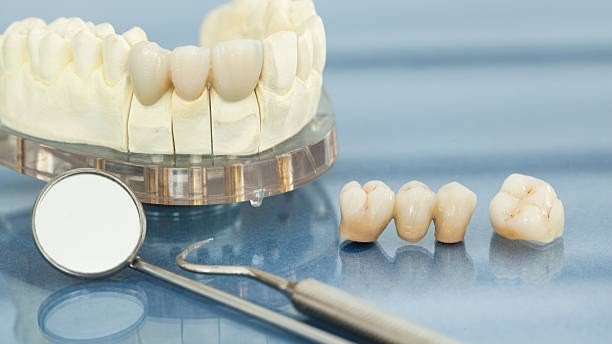
Dental Crowns & Bridges: Restoring Strength, Function, and Confidence to Your Smile
A healthy smile is essential for speaking clearly, eating comfortably, and feeling confident in everyday life. However, damaged, weakened, or missing teeth can affect both your oral health and self-esteem. Fortunately, modern restorative dentistry offers reliable solutions to repair and replace teeth while restoring the natural appearance of your smile. Among the most effective treatments are dental crowns and dental bridges, two restorative procedures that improve the function, strength, and aesthetics of your teeth.
Whether you have a cracked tooth, a large cavity, or one or more missing teeth, dental crowns and bridges provide durable, natural-looking solutions that can last for many years with proper care. These restorations are custom-made to match the shape, size, and color of your natural teeth, allowing you to smile, chew, and speak with confidence again.
What Are Dental Crowns?
A dental crown is a custom-made cap that completely covers a damaged or weakened tooth. It restores the tooth’s original shape, size, strength, and appearance while protecting it from further damage.
Crowns are designed to fit securely over the existing tooth after it has been carefully prepared by your dentist. Once cemented into place, the crown functions just like a natural tooth.
Dental crowns are commonly made from:
- Porcelain
- Ceramic
- Zirconia
- Porcelain fused to metal
- Gold or metal alloys
Modern porcelain and zirconia crowns are especially popular because they closely resemble natural teeth and provide exceptional durability.
What Are Dental Bridges?
A dental bridge is a fixed dental restoration used to replace one or more missing teeth. The bridge literally “bridges” the gap created by missing teeth using artificial replacement teeth called pontics.
A traditional bridge consists of:
- One or more replacement teeth
- Dental crowns placed on the healthy teeth adjacent to the gap
These supporting teeth securely anchor the bridge in place, restoring both function and appearance.
In some cases, bridges may also be supported by dental implants instead of natural teeth.
When Are Dental Crowns Recommended?
Your dentist may recommend a dental crown for several reasons, including:
- Restoring a cracked or fractured tooth
- Protecting a weak tooth from breaking
- Covering a large dental filling
- Restoring a tooth after root canal treatment
- Improving the appearance of stained or misshapen teeth
- Supporting a dental bridge
- Completing a dental implant restoration
Crowns provide both cosmetic enhancement and long-term protection for damaged teeth.
When Are Dental Bridges Recommended?
Dental bridges are an excellent solution for patients who have lost one or more teeth but still have healthy supporting teeth on either side of the gap.
Bridges help:
- Replace missing teeth
- Restore proper chewing function
- Improve speech
- Prevent neighboring teeth from shifting
- Maintain facial shape
- Enhance smile appearance
Replacing missing teeth promptly helps prevent additional oral health problems in the future.
Benefits of Dental Crowns
Dental crowns offer numerous advantages for restoring damaged teeth.
Strength and Protection
Crowns reinforce weakened teeth and protect them from further fractures or wear.
Natural Appearance
Modern crowns are carefully matched to the color and shape of your surrounding teeth, creating a seamless, natural-looking smile.
Improved Function
A crown restores your ability to chew comfortably and speak clearly.
Long-Lasting Solution
With proper oral hygiene and regular dental check-ups, crowns can last 10 to 15 years or even longer.
Comfort
Custom-designed crowns fit comfortably and function like natural teeth.
Benefits of Dental Bridges
Dental bridges also provide significant oral health benefits.
Restores Your Smile
Replacing missing teeth improves your appearance and boosts self-confidence.
Prevents Teeth from Shifting
When a tooth is missing, neighboring teeth often begin moving into the empty space, causing bite problems and alignment issues.
A bridge helps maintain proper tooth positioning.
Improves Chewing Ability
Replacing missing teeth allows you to eat a wider variety of healthy foods comfortably.
Enhances Speech
Missing teeth may affect pronunciation. A bridge helps restore clear speech.
Preserves Facial Structure
Replacing missing teeth supports facial muscles and helps maintain a youthful appearance.
The Dental Crown Procedure
Receiving a dental crown usually requires two appointments.
First Visit
During the initial appointment, your dentist will:
- Examine the affected tooth
- Take digital X-rays if necessary
- Remove damaged areas
- Shape the tooth
- Take digital impressions
- Place a temporary crown
The impressions are sent to a dental laboratory where your permanent crown is custom fabricated.
Second Visit
Once the permanent crown is ready, your dentist will:
- Remove the temporary crown
- Check the fit and color
- Make necessary adjustments
- Secure the crown with dental cement
The completed restoration feels natural and blends beautifully with your smile.
The Dental Bridge Procedure
The bridge procedure is similar to crown placement.
First, the supporting teeth are prepared by removing a small amount of enamel.
Next:
- Digital impressions are taken.
- A temporary bridge is placed.
- Your custom bridge is created in a dental laboratory.
- During your second appointment, the permanent bridge is securely cemented into place.
Your dentist carefully checks your bite and comfort before completing the treatment.
Caring for Dental Crowns and Bridges
Proper care helps maximize the lifespan of your restoration.
Follow these simple tips:
- Brush twice daily using fluoride toothpaste.
- Floss every day.
- Use floss threaders or special bridge cleaners if recommended.
- Avoid chewing hard objects such as ice or pens.
- Limit sticky candies.
- Visit your dentist every six months.
- Wear a night guard if you grind your teeth.
Although crowns and bridges cannot develop cavities themselves, the supporting natural teeth still require excellent oral hygiene.
Are Dental Crowns and Bridges Safe?
Yes. Dental crowns and bridges are well-established, safe, and highly successful restorative treatments.
Modern dental materials are durable, biocompatible, and designed to withstand normal chewing forces while maintaining a natural appearance.
Your dentist will carefully evaluate your oral health before recommending treatment.
Who Is a Good Candidate?
You may be a suitable candidate if you:
- Have cracked or broken teeth
- Have large fillings that weaken a tooth
- Have completed root canal treatment
- Have one or more missing teeth
- Have healthy gums
- Practice good oral hygiene
A comprehensive dental examination helps determine the most appropriate treatment plan.
Frequently Asked Questions
How long do crowns and bridges last?
With proper care, dental crowns and bridges typically last between 10 and 15 years, although many last much longer.
Will my crown or bridge look natural?
Yes. Modern porcelain and ceramic restorations are carefully matched to the color, shape, and size of your natural teeth.
Is the procedure painful?
The procedure is performed using local anesthesia, making it comfortable for most patients. Mild sensitivity after treatment usually resolves within a few days.
Can I eat normally after treatment?
Yes. Once your permanent crown or bridge is securely placed, you can enjoy most foods comfortably. However, avoiding extremely hard foods helps protect your restoration.
Why Choose Professional Restorative Dentistry?
Choosing an experienced dental clinic ensures that your crowns and bridges are designed with precision, using high-quality materials and advanced technology. Professional treatment provides restorations that fit comfortably, function properly, and blend naturally with your smile.
Regular follow-up appointments also help monitor your restorations and ensure they continue performing well for years to come.
Conclusion
Dental crowns and bridges are trusted restorative treatments that help repair damaged teeth and replace missing ones while restoring the beauty and function of your smile. These custom-made restorations not only improve your appearance but also protect your oral health by strengthening weakened teeth, restoring proper chewing ability, and preventing neighboring teeth from shifting.
Whether you need to restore a cracked tooth with a dental crown or replace missing teeth with a dental bridge, modern restorative dentistry offers durable, comfortable, and natural-looking solutions. With proper care and regular dental check-ups, your crowns and bridges can provide many years of reliable performance.
If you are experiencing damaged or missing teeth, schedule a consultation with your dental clinic today. Our experienced dental team is committed to providing personalized, high-quality restorative care to help you enjoy a healthier, stronger, and more confident smile.