
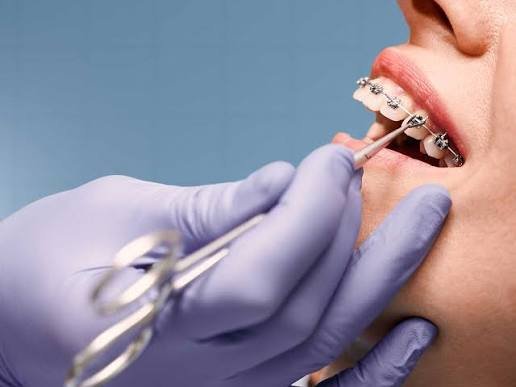
Routine Dental Check-Up: The Key to a Healthy Smile
Maintaining a healthy smile requires more than just brushing and flossing at home. While good daily oral hygiene is essential, regular dental check-ups play an equally important role in preventing oral health problems and ensuring your teeth and gums remain in excellent condition. A routine dental check-up allows your dentist to identify potential issues early, provide preventive care, and help you maintain a confident, healthy smile for years to come.
Many dental conditions, including cavities, gum disease, and oral infections, develop gradually without causing noticeable pain or discomfort in their early stages. By the time symptoms appear, treatment may become more complex and expensive. Regular dental visits help detect these problems before they become serious, saving both time and money while protecting your overall oral health.
Whether you are a child, teenager, adult, or senior, routine dental check-ups are an essential part of maintaining lifelong oral wellness.
What Is a Routine Dental Check-Up?
A routine dental check-up is a preventive dental appointment during which your dentist carefully examines your teeth, gums, mouth, tongue, and surrounding oral tissues. The purpose of the visit is to monitor your oral health, identify any developing problems, and provide professional cleaning to remove plaque and tartar that cannot be eliminated through regular brushing alone.
Most dentists recommend scheduling a routine dental check-up every six months. However, some individuals with gum disease, diabetes, orthodontic appliances, or other dental concerns may require more frequent visits based on their specific needs.
Routine check-ups are designed not only to treat problems but, more importantly, to prevent them from occurring in the first place.
Why Regular Dental Check-Ups Are Important
Many oral health issues develop silently. Small cavities may not cause pain, and early gum disease often has no obvious symptoms. Regular examinations allow your dentist to detect these problems before they worsen.
Routine dental visits help:
- Prevent tooth decay
- Detect cavities early
- Identify gum disease before it progresses
- Remove plaque and tartar buildup
- Monitor previous dental work
- Screen for oral cancer
- Evaluate bite alignment
- Maintain fresh breath
- Improve overall oral hygiene
- Protect long-term dental health
Preventive dentistry is always more comfortable, less expensive, and less invasive than restorative treatment.
What Happens During a Routine Dental Check-Up?
A comprehensive dental check-up typically includes several important steps designed to evaluate your oral health.
Medical and Dental History Review
Your dentist will begin by reviewing your medical history, current medications, allergies, and any dental concerns you may have. Changes in your overall health can affect your oral health, making this discussion an important part of your visit.
Comprehensive Oral Examination
Your dentist carefully examines every part of your mouth, including:
- Teeth
- Gums
- Tongue
- Cheeks
- Jaw joints
- Bite alignment
- Existing fillings, crowns, or dental restorations
The examination helps identify cavities, fractures, signs of infection, gum disease, and other dental conditions.
Digital Dental X-Rays
If necessary, digital X-rays may be taken to reveal problems that cannot be seen during a visual examination.
X-rays can detect:
- Hidden cavities
- Bone loss
- Impacted teeth
- Infections
- Root problems
- Developing wisdom teeth
- Jaw abnormalities
Digital X-rays use very low levels of radiation and provide highly detailed images for accurate diagnosis.
Professional Teeth Cleaning
Even individuals with excellent brushing habits develop plaque over time. If plaque is not removed, it hardens into tartar, which cannot be removed with a toothbrush.
During the cleaning appointment, the dental hygienist will:
- Remove plaque and tartar
- Polish the teeth
- Remove surface stains
- Floss between teeth
- Apply fluoride treatment if needed
Professional cleaning leaves your teeth feeling smooth, fresh, and clean while reducing the risk of cavities and gum disease.
Oral Cancer Screening
As part of your examination, your dentist may perform a routine oral cancer screening by checking for unusual sores, lumps, discoloration, or tissue changes.
Early detection significantly improves treatment success, making routine screenings an important part of preventive dental care.
Common Dental Problems Detected During Check-Ups
Routine dental examinations help detect many common oral health conditions before they become serious.
Tooth Decay
Small cavities often develop without causing pain. Early treatment usually requires only a simple filling instead of more extensive procedures like root canals or extractions.
Gum Disease
Gingivitis is the earliest stage of gum disease and is completely reversible with professional treatment and improved oral hygiene.
If left untreated, gingivitis can progress into periodontitis, leading to bone loss, loose teeth, and even tooth loss.
Cracked or Worn Teeth
Grinding your teeth, chewing hard foods, or accidental injuries can cause tiny cracks that may not be immediately noticeable.
Your dentist can identify these issues early and recommend appropriate treatment before further damage occurs.
Oral Infections
Routine examinations help detect infections before they spread and become more painful or difficult to treat.
Benefits of Routine Dental Check-Ups
Regular dental visits offer numerous long-term advantages.
Prevent Serious Dental Problems
Early diagnosis prevents small problems from developing into major dental procedures.
Save Money
Preventive care is significantly less expensive than restorative treatments such as crowns, implants, or root canal therapy.
Maintain Fresh Breath
Professional cleanings remove bacteria responsible for persistent bad breath.
Keep Your Smile Bright
Routine cleanings remove surface stains caused by coffee, tea, wine, and certain foods.
Improve Overall Health
Research suggests a strong connection between oral health and general health. Poor oral hygiene has been associated with conditions such as heart disease, diabetes, and respiratory infections.
Maintaining healthy gums may contribute to better overall well-being.
How Often Should You Visit the Dentist?
For most patients, visiting the dentist every six months is recommended.
However, more frequent visits may be necessary if you have:
- Gum disease
- Diabetes
- Dry mouth
- Frequent cavities
- Dental implants
- Orthodontic treatment
- A weakened immune system
- A history of smoking
Your dentist will recommend a personalized schedule based on your oral health needs.
Caring for Your Teeth Between Visits
Routine check-ups work best when combined with good daily oral hygiene.
Healthy habits include:
- Brushing twice a day with fluoride toothpaste
- Flossing once daily
- Using an antibacterial mouthwash if recommended
- Eating a balanced diet
- Limiting sugary snacks and beverages
- Drinking plenty of water
- Avoiding tobacco products
- Wearing a mouthguard during sports
- Protecting teeth from grinding if necessary
These habits greatly reduce the risk of dental problems between appointments.
Routine Dental Care for Children
Children should begin visiting the dentist at an early age to establish healthy habits and monitor proper tooth development.
Regular check-ups help:
- Prevent cavities
- Monitor jaw growth
- Guide permanent tooth eruption
- Teach proper brushing techniques
- Reduce dental anxiety
Creating positive dental experiences during childhood often leads to healthier smiles throughout adulthood.
Frequently Asked Questions
Does a routine dental check-up hurt?
No. Most routine examinations and professional cleanings are comfortable. If you have sensitive teeth or gums, your dental team can make adjustments to improve your comfort.
How long does a routine appointment take?
A standard dental check-up and cleaning usually takes between 45 minutes and one hour.
What if my dentist finds a cavity?
Early cavities are typically treated with a simple dental filling. Detecting them early helps avoid more complex procedures later.
Can I skip appointments if my teeth feel fine?
No. Many dental problems develop without pain or visible symptoms. Regular check-ups allow your dentist to identify issues before they become serious.
Conclusion
Routine dental check-ups are one of the most important investments you can make in your oral health. These preventive visits help detect problems early, maintain healthy teeth and gums, remove harmful plaque and tartar, and reduce the need for costly dental treatments in the future. Combined with good brushing, flossing, and healthy lifestyle habits, regular dental examinations provide the foundation for a lifetime of healthy smiles.
Whether your goal is preventing cavities, maintaining fresh breath, protecting your gums, or preserving your natural teeth, routine dental check-ups offer lasting benefits for patients of all ages. Schedule your next dental appointment today and take a proactive step toward maintaining a brighter, healthier smile for years to come.